Signs Your Pet Needs Animal Dental Treatment in Greeneville, TN, and What Happens at a Professional Cleaning
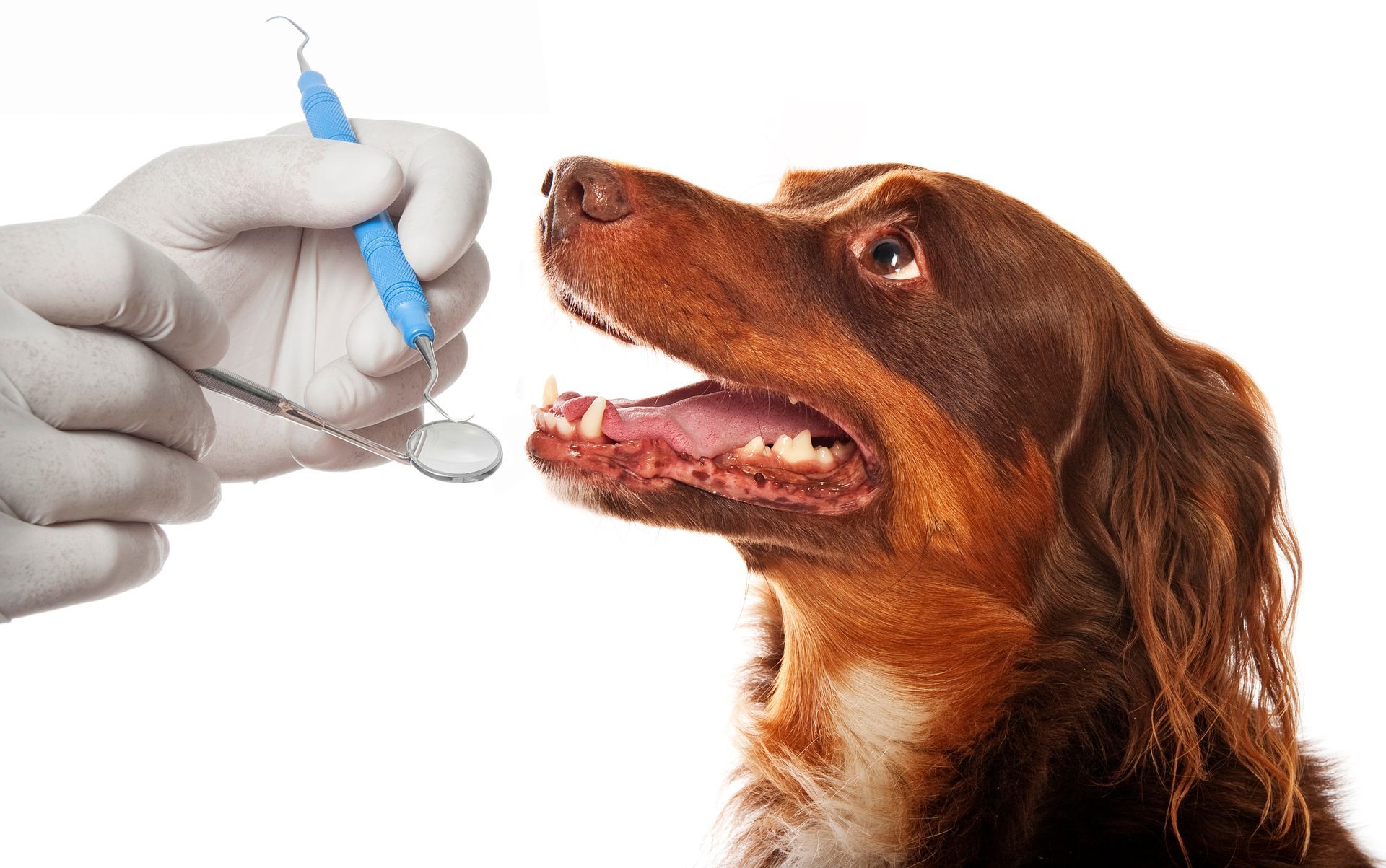
Pet dental disease is one of the most common and most overlooked health problems in dogs and cats. Knowing the warning signs can help owners in the Greeneville, TN, area protect their pets before serious damage occurs. This post covers the visible signs of dental disease, how untreated oral problems can affect the rest of your pet's body, and what happens during a
professional animal dental treatment in Greeneville, TN, at a veterinary clinic serving the area.
Warning Signs Your Pet May Need a Dental Cleaning
Most pets will not show obvious pain even when their mouth is in poor condition. That is why knowing what to look for matters.
Common signs that a pet may need animal dental treatment in Greeneville, TN, include:
- Persistent bad breath that does not improve between meals.
- Yellow, brown, or gray buildup along the gumline.
- Red, swollen, or bleeding gums.
- Difficulty chewing, dropping food, or favoring one side of the mouth.
- Excessive drooling or pawing at the face.
- Loose teeth or visible tooth damage.
- Reduced interest in hard food or chew toys.
Cats and smaller dog breeds often develop dental disease earlier due to natural crowding of their teeth. Large-breed and working dogs common to the rural Greeneville, TN, area can also accumulate tartar faster without routine oral care. Any of these signs warrants a veterinary evaluation, and scheduling animal dental treatment in Greeneville, TN, early can prevent more serious complications.
How Does Dental Disease Affect the Rest of My Pet's Body?
Dental disease does more than harm the mouth. Bacteria can enter the bloodstream through inflamed gum tissue and may affect the heart, kidneys, and liver over time.
Periodontal disease is the most frequently diagnosed dental condition in household pets. It begins with plaque that hardens into tartar if left on the tooth surface. Once tartar forms below the gumline, it can cause gum recession, bone loss, and tooth loss. Pets with advanced periodontal disease may experience chronic low-grade infection that stresses vital organs. Treating dental disease early through animal dental treatment in Greeneville, TN, may significantly reduce these risks.
What Happens During a Professional Dental Cleaning at a Greeneville Vet?
A professional dental cleaning involves several structured steps that go well beyond what home brushing can accomplish.
Pre-Cleaning Exam
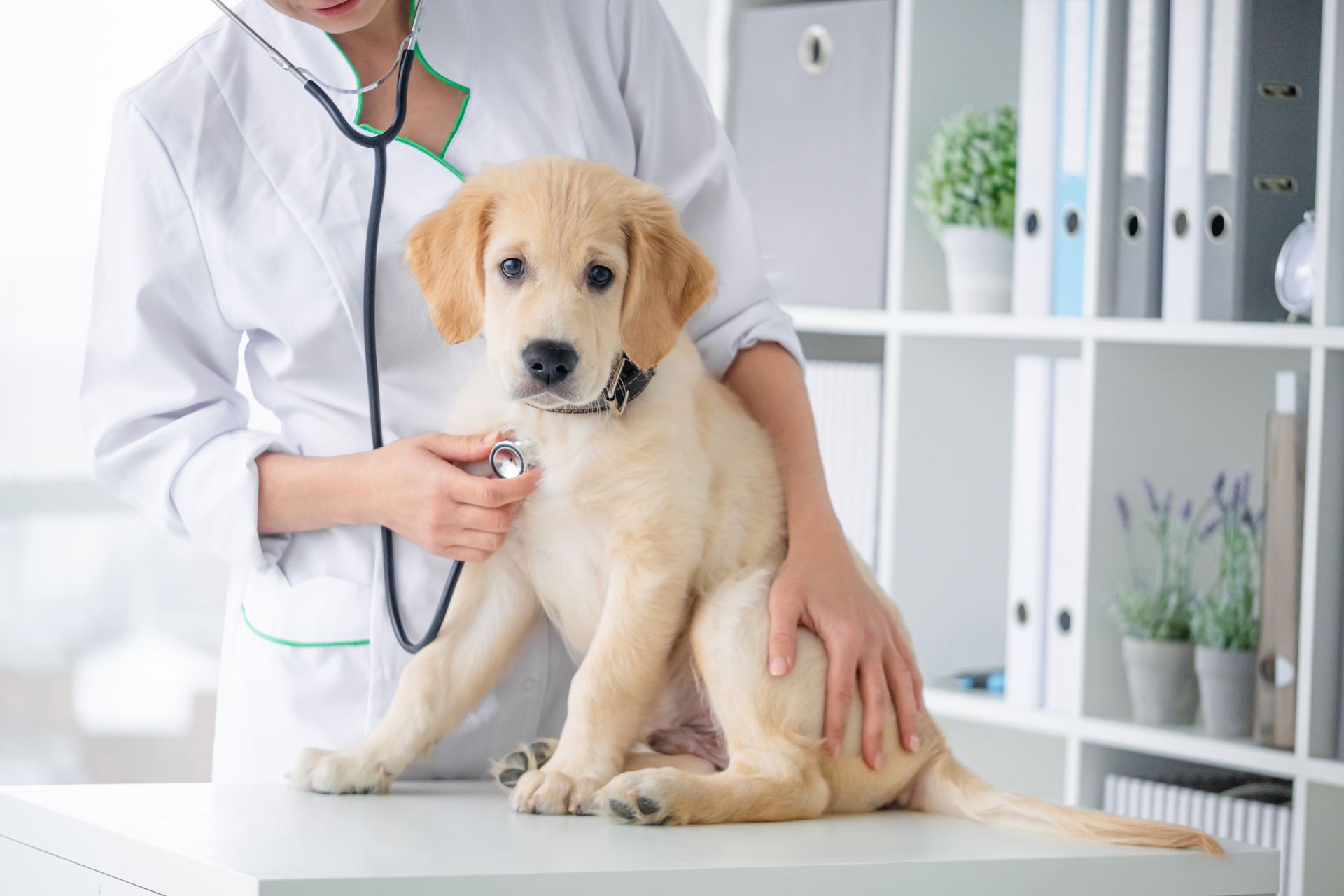
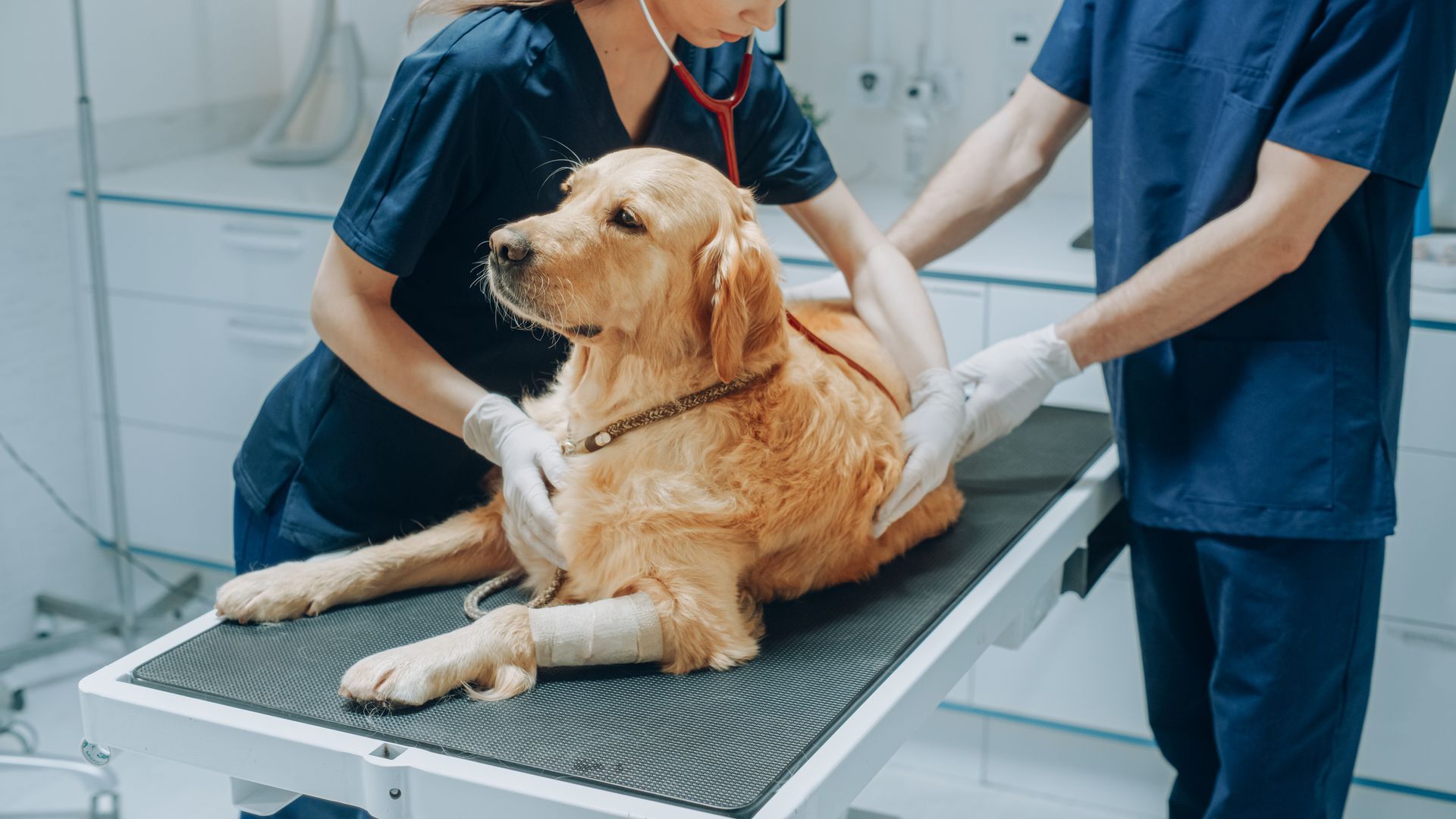
Before any cleaning begins, the veterinarian performs a physical exam and may recommend pre-anesthetic bloodwork to confirm your pet is healthy enough for anesthesia and to identify any underlying conditions.
Anesthesia
General anesthesia is a standard and necessary part of a thorough professional dental cleaning. It keeps the animal still and comfortable, allowing the team to examine every tooth surface, probe beneath the gumline, and take dental X-rays if needed. Anesthesia is closely monitored throughout the procedure.
Scaling and Polishing
The team uses an ultrasonic scaler to remove tartar above and below the gumline, directly addressing the bacteria responsible for periodontal disease. Tooth surfaces are then polished to smooth microscopic scratches and slow future plaque buildup.
Oral Exam and Any Necessary Procedures
With the mouth clean and well-lit, the veterinarian conducts a thorough oral exam. Fractured, abscessed, or severely damaged teeth may require extraction. Crowns and root canals are among the additional procedures available for more complex cases.
How Often Should Pets Receive a Professional Dental Cleaning?
Most veterinarians recommend animal dental treatment in Greeneville, TN, at least once per year. Some pets may need more frequent care depending on breed, age, diet, and home dental routine. Smaller breeds and cats often benefit from cleanings every six to twelve months, while larger breeds with good home care may do well with annual visits. Your veterinarian can recommend the right schedule for your pet.
What Can Pet Owners Do at Home Between Cleanings?
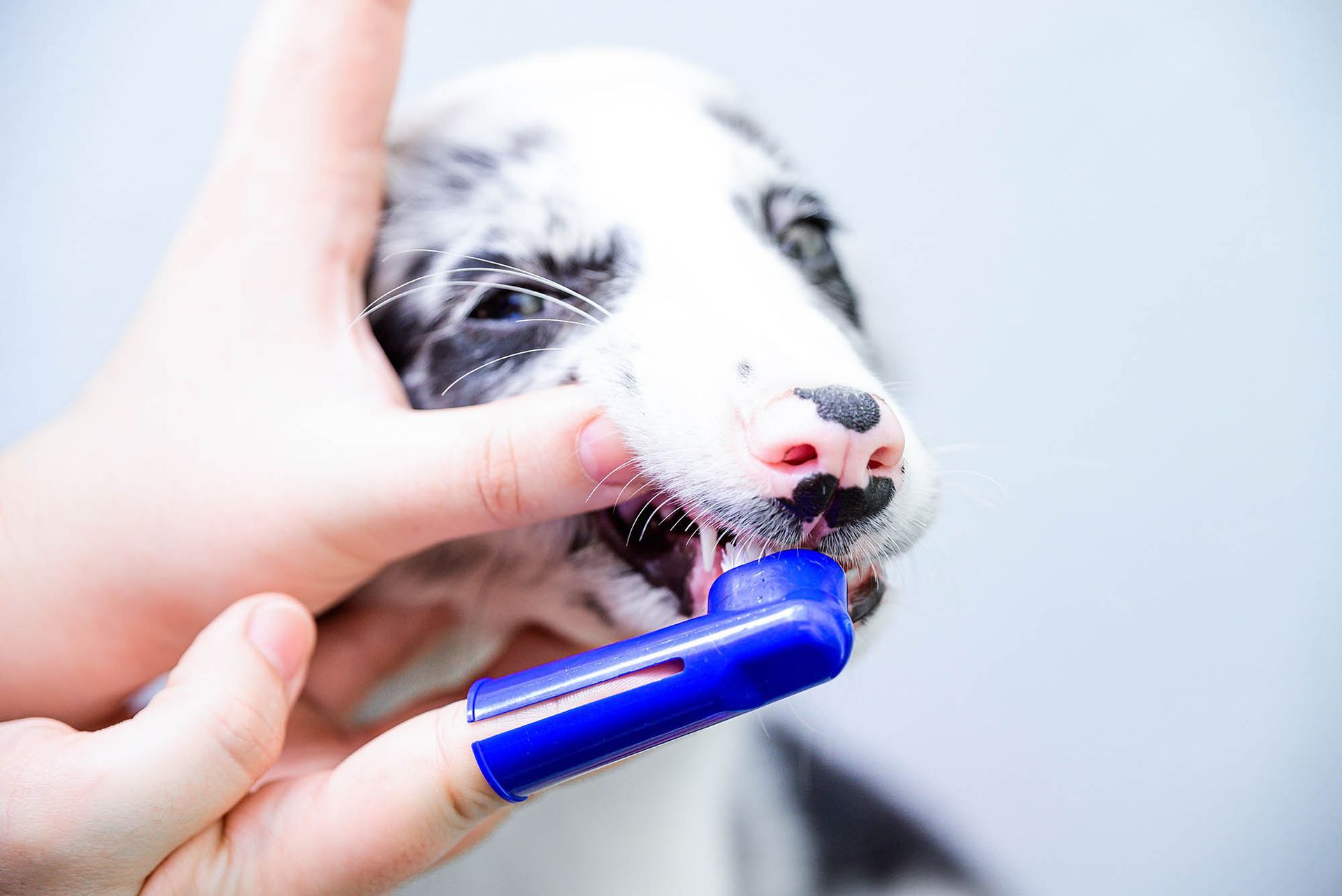
Home care can slow tartar buildup between professional cleanings, though it cannot replace them. Daily tooth brushing with a pet-safe toothpaste is the most effective at-home method. Dental chews, water additives, and dental-specific diets approved by the Veterinary Oral Health Council may also help. Starting a home routine early in puppies and kittens makes the process easier for both pet and owner.
Can I Tell if My Pet Has Periodontal Disease at Home?
You may notice visible signs such as discolored teeth or red gums, but significant dental disease often hides below the gumline. A professional dental exam and X-rays are typically needed to fully assess the extent of disease.
Is Anesthesia Safe for My Pet During a Dental Cleaning?
Anesthesia is considered safe for most healthy pets when proper pre-anesthetic screening is completed. Your veterinary team will monitor vital signs throughout the procedure to help ensure comfort and safety.
How Do I Know When to Schedule a Dental Appointment?
If your pet shows any of the warning signs listed above, or if more than a year has passed since their last dental evaluation, contact your veterinarian. Routine wellness exams are also an opportunity to check your pet's teeth and recommend dental treatment when appropriate.
Schedule Pet Dental Care Serving Greeneville, TN, Today
Appalachian Animal Hospital offers professional animal dental treatment serving Greeneville, TN, and surrounding communities, from routine cleanings and oral exams to extractions, crowns, and more advanced procedures. If your pet is showing warning signs of dental disease, do not wait for symptoms to worsen.
Contact the team or call
(423) 587-4393 to schedule a dental evaluation and give your pet the oral care they need to stay healthy and comfortable.