Veterinary Hospital vs. Veterinary Clinic: Which Does Your Pet Need in Greeneville, TN?
Knowing the difference between an animal hospital and a veterinary clinic can help pet owners in Greeneville, TN, make faster, smarter decisions when their animal needs care. Whether you have a dog, cat, or exotic pet, the level of care available at each type of facility varies in meaningful ways. Choosing the right one from the start can save time and potentially support better outcomes for your pet. If you are searching for a full-service animal hospital in Greeneville, TN, understanding what sets a hospital apart is the best place to begin.
What Is the Difference Between a Veterinary Clinic and a Veterinary Hospital?
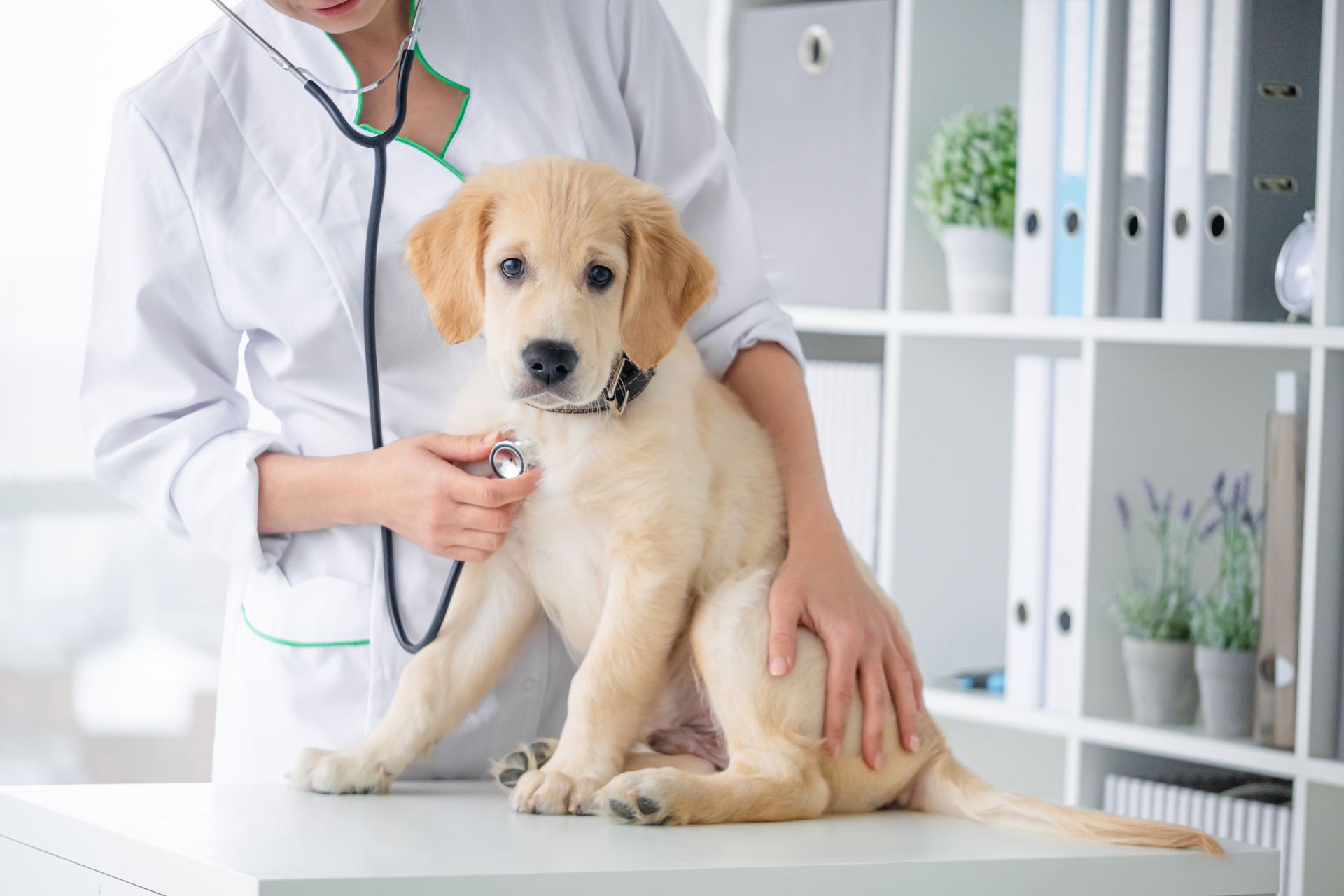
A veterinary care facility offers a broader, more advanced range of medical services than a standard clinic. A basic clinic typically focuses on routine care such as annual wellness exams, core vaccinations, and simple treatments for minor conditions. These visits are straightforward and work well for healthy pets with predictable needs.
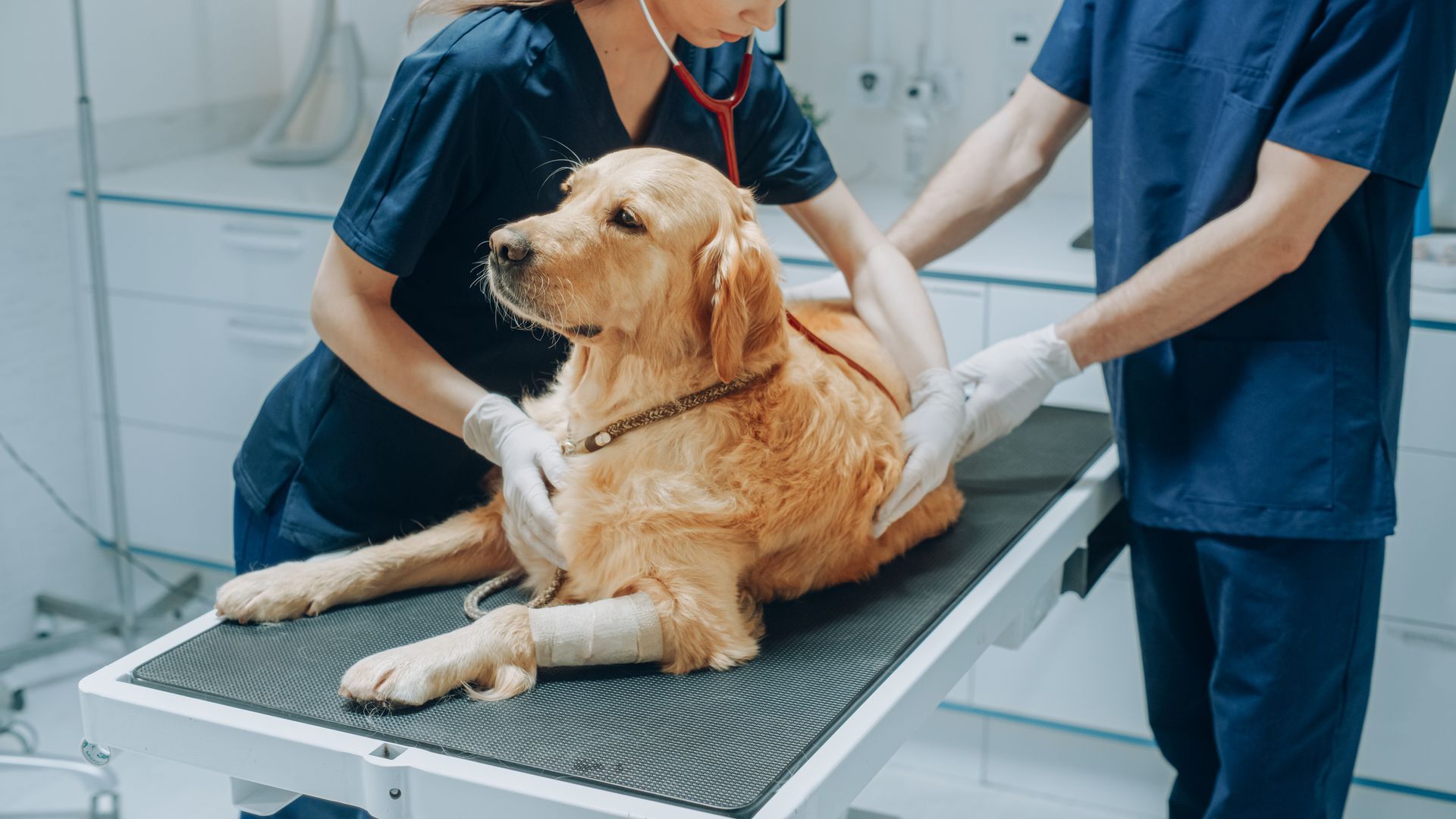
An animal hospital in Greeneville, TN, by contrast, is equipped to handle more complex cases. Hospitals generally offer in-house diagnostics, surgical suites, imaging tools like digital X-ray and ultrasound, and the staff and equipment to manage more serious conditions. Some hospitals also offer on-site pharmacy services and more advanced pain management options. The key difference is depth of capability, not just the name on the door.
What Capabilities Should You Expect From a Veterinary Hospital?
A full-service animal care facility can typically diagnose, treat, and monitor a wide range of conditions under one roof. Here are the key capabilities that often distinguish a hospital from a walk-in clinic:
- Diagnostic imaging such as digital radiography and ultrasound, which help identify internal issues quickly.
- In-house laboratory testing, which allows for faster results without sending samples off-site.
- Surgical services ranging from routine soft tissue procedures like spays and neuters to more complex orthopedic surgeries.
- On-site pharmacy access for convenient medication pickup after appointments.
- Emergency and urgent care readiness, including the ability to triage and stabilize a pet in distress.
- Pain management protocols to support recovery before, during, and after procedures.
For Greene County pet owners, access to this level of care closer to home is a real advantage. Rural and semi-rural areas like the communities surrounding Greeneville often mean longer drives to specialty centers. A veterinary facility in Greeneville, TN, with full diagnostic and surgical capabilities can reduce that burden considerably.
H3: When Does Your Pet Need a Hospital Rather Than a Clinic?
A clinic can handle the expected parts of pet ownership. But certain signs and situations call for hospital-level care. Consider a veterinary hospital when your pet is experiencing any of the following:
- Sudden loss of appetite lasting more than 24 hours.
- Visible trauma, including wounds, suspected fractures, or injury from an accident.
- Vomiting or diarrhea that is persistent or contains blood.
- Labored or irregular breathing.
- Significant swelling, limping, or obvious pain.
- Unexplained behavioral changes that suggest illness or distress.
In these cases, the ability to run diagnostics, perform imaging, and potentially move into surgery quickly matters. A clinic that refers out for these services adds time. A hospital that manages them in-house may be the better fit.
H3: What Types of Pets Benefit Most From Hospital-Level Care?
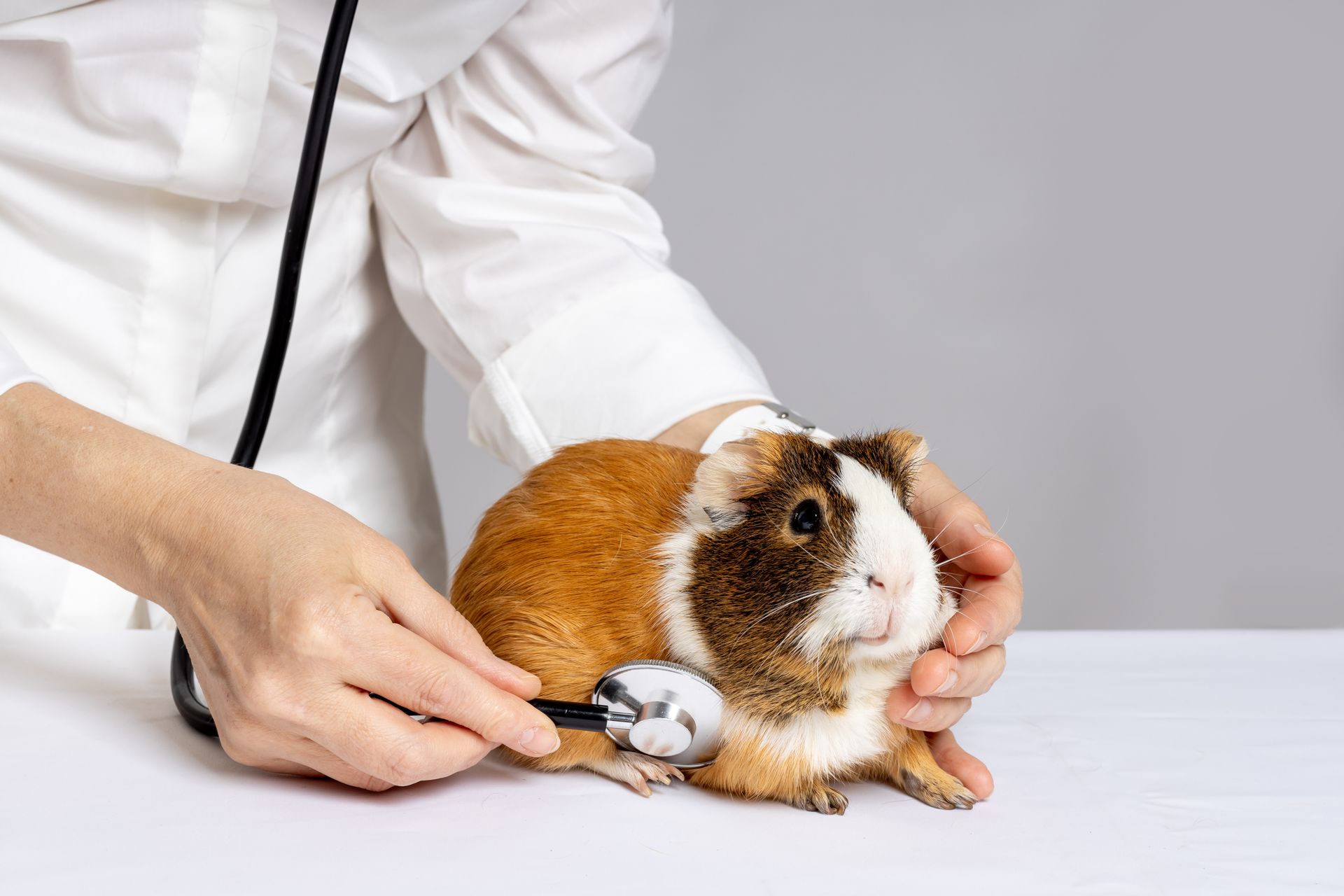
Any pet can need hospital care at some point, but some animals benefit from it more consistently. Dogs and cats that are older, have chronic conditions, or are breeds prone to health complications may need diagnostic monitoring that a basic clinic cannot provide. Exotic animals, including reptiles, birds, and small mammals, often require specialized handling and care that goes beyond standard clinic capabilities.
Greene County and the surrounding East Tennessee region have a strong mix of household pets and agricultural animals. For pet owners in areas like Tusculum, Mosheim, or Chuckey who may already travel to access broader services, having access to a full-service animal hospital in Greeneville, TN, that can manage multiple needs in a single visit makes practical sense. Livestock and large animal owners in the area also benefit from facilities experienced with species beyond cats and dogs.
What to Look for in a Veterinary Hospital Serving Greeneville, TN
Not all hospitals are the same. When evaluating a veterinary hospital in Greeneville, TN, these are the factors worth considering:
- Diagnostic equipment on-site, including imaging and laboratory tools.
- A team with documented training and state certifications.
- Surgical capability for both routine and complex procedures.
- Experience with the type of animal you own, whether that is a small pet, large animal, or exotic species.
- Clear communication practices so you understand your pet's condition and treatment options.
- Transparent processes for urgent and emergency situations during business hours.
Taking the time to evaluate these points before an emergency arises puts you in a much better position when your pet needs help quickly.
Make the Right Call for Your Pet's Care
Knowing whether your pet needs a clinic or a full hospital can be the difference between a quick routine visit and the right level of urgent care. For pets in Greeneville, TN, and the surrounding Greene County communities, having access to a well-equipped animal care facility in Greeneville, TN, for diagnostics, surgery, and emergency readiness is worth knowing about before a health issue appears.
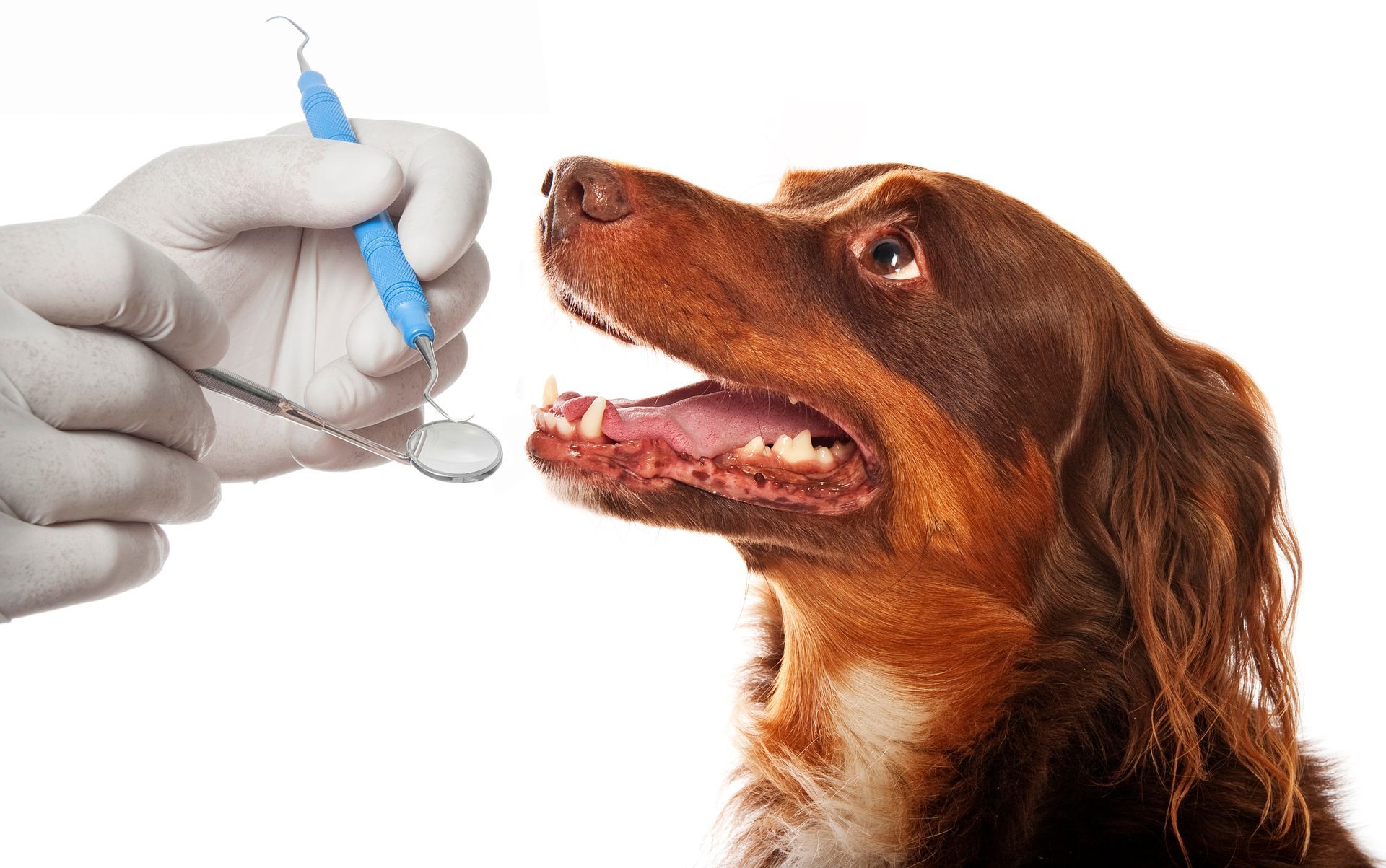
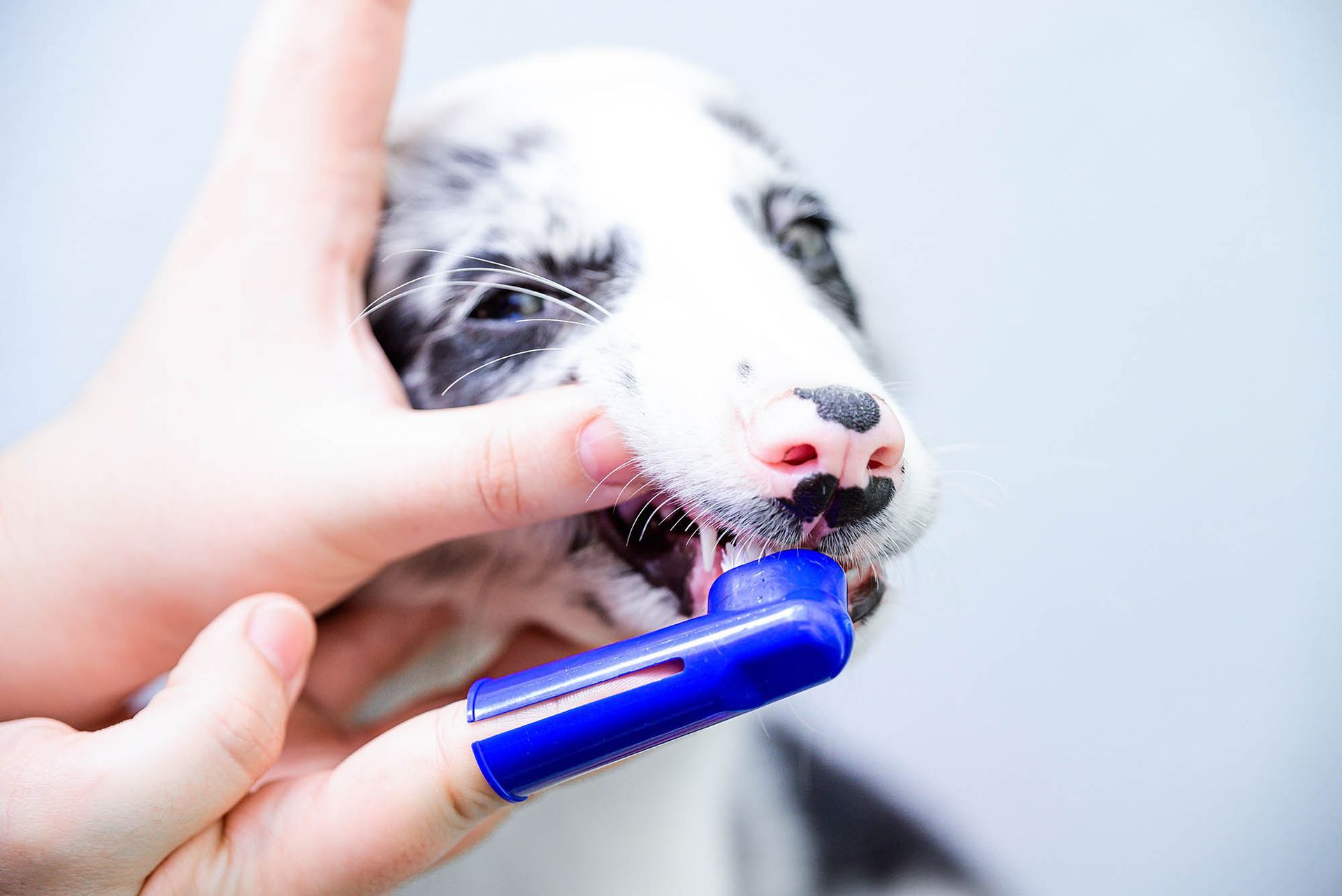
Appalachian Animal Hospital serves Greeneville, TN, with a full range of veterinary services including wellness exams, diagnostics, dental care, surgery, and exotic animal care. To learn more about what a veterinary hospital in Greeneville, TN, can offer your pet,
visit the Veterinary Hospital page or
contact the team to schedule an appointment. Call
(423) 587-4393 today.