Animal Dental Treatment: What Pet Owners Should Expect
When it comes to keeping your furry friend healthy, regular dental care plays a crucial role. If you’re seeking reliable animal dental treatment in Greeneville, TN, Appalachian Animal Hospital offers expert veterinary dental services designed to maintain your pet’s oral health and overall well-being. This article will guide you through what to expect during routine dental exams and cleanings, how safety is ensured throughout the procedure, and insights on advanced dental care options. Understanding these steps will help you feel confident when scheduling your pet’s next dental visit.
Why Routine Dental Services Matter for Pets
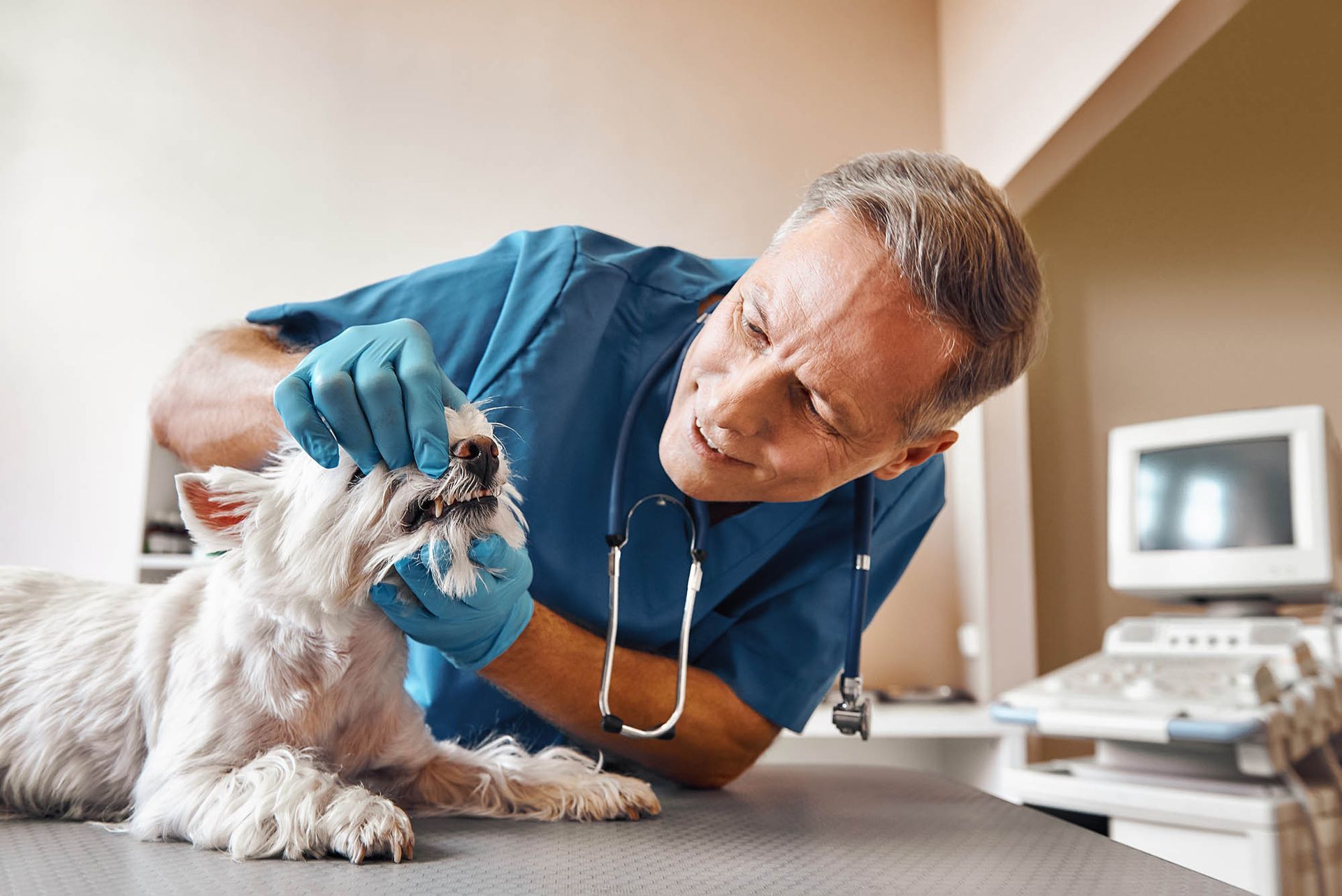
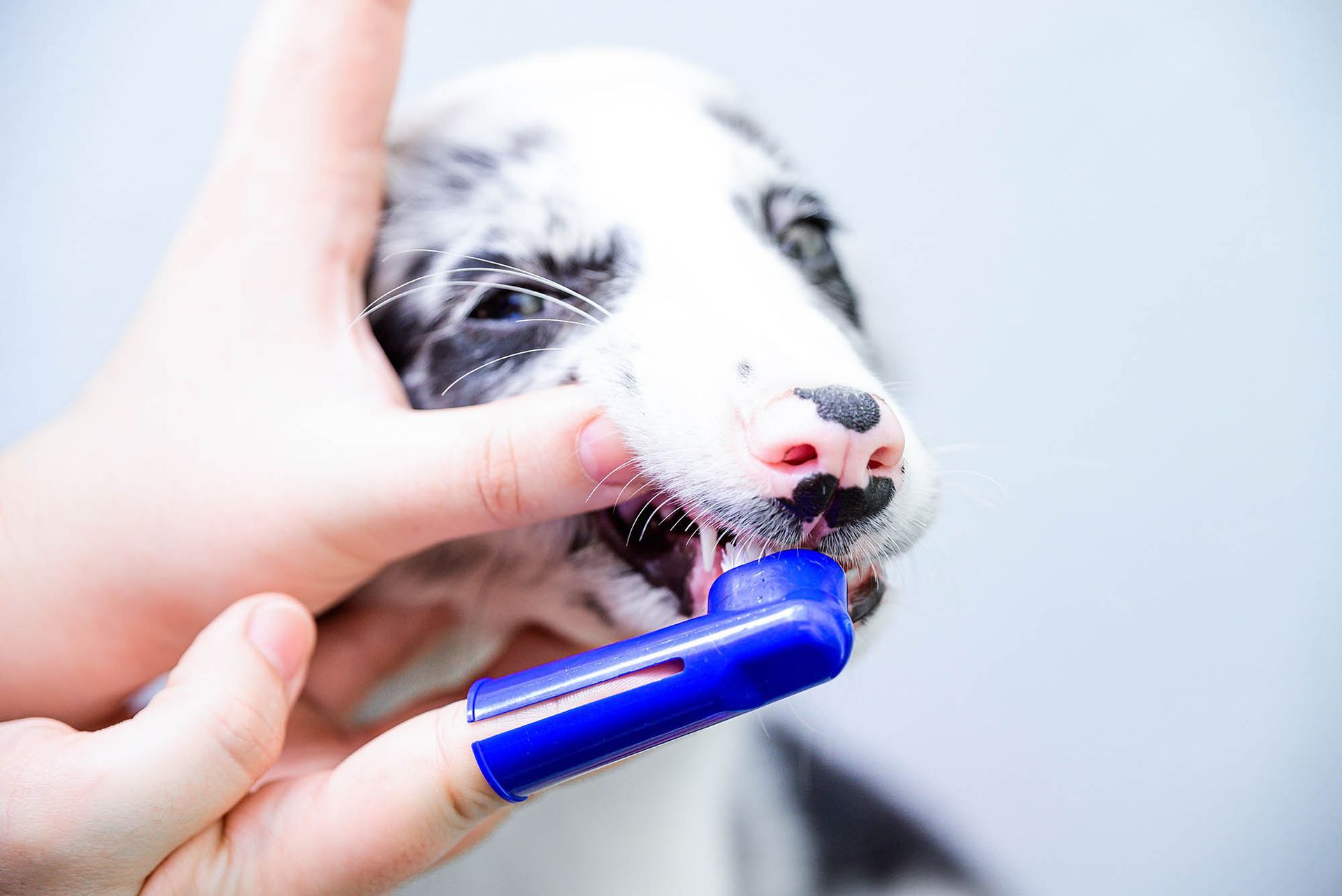
Just like humans, pets need regular dental care to prevent the development of painful oral diseases. Routine veterinary dental services involve comprehensive oral examinations, professional cleanings, and evaluation for any dental issues that might otherwise go unnoticed. These services help in preventing plaque buildup, gingivitis, and periodontal disease, which can lead to tooth loss and adversely affect your pet’s general health.
Routine animal dental treatment typically focuses on preventive care that enhances your pet’s comfort and quality of life. Early intervention allows veterinarians to catch problems before they escalate, reducing the need for more invasive procedures.
The Step-by-Step Process of a Veterinary Dental Exam and Cleaning
Understanding what happens during your pet’s dental appointment can ease any concerns. Here’s a general overview of the typical veterinary dental exam and cleaning process:
1. Pre-Anesthetic Evaluation
Before starting any dental treatment, a thorough pre-anesthetic exam is performed to ensure your pet is healthy enough for anesthesia. Bloodwork may be done to check organ function and detect any underlying health conditions. This step is vital for the safety and success of the dental procedure.
2. Anesthesia Administration
Animal dental treatment almost always requires general anesthesia. This allows the veterinarian to perform a deep and thorough cleaning safely and painlessly while your pet remains still and comfortable. Anesthesia also facilitates detailed oral examinations and reduces stress for both the animal and the dental team.
3. Dental Cleaning and Scaling
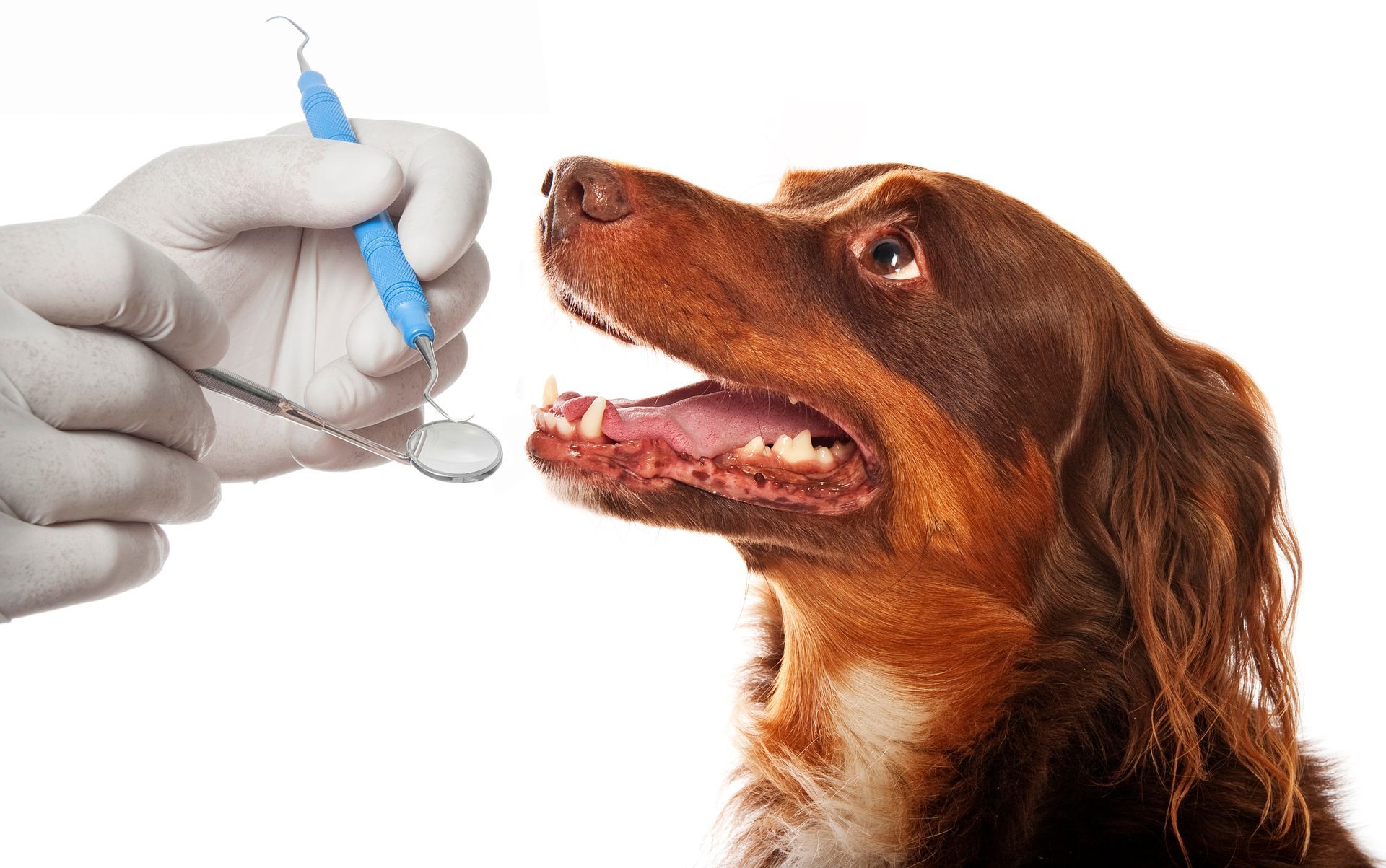
Once your pet is anesthetized, the veterinary dental team removes plaque and tartar buildup using ultrasonic scalers and hand instruments. Cleaning occurs not only on the visible tooth surfaces but also below the gum line, where bacteria tend to accumulate. This step is essential for preventing periodontal disease.
4. Polishing
After scaling, the teeth are polished to smooth the surfaces, helping to delay future plaque accumulation. Polishing also makes teeth less prone to staining and irritation.
5. Oral Examination and Charting
With the mouth fully accessible under anesthesia, the veterinarian performs a detailed evaluation of each tooth and the surrounding gums. Findings such as broken teeth, infections, or loose teeth may be recorded in a dental chart for future reference and planning.
6. Post-Procedural Monitoring
After the cleaning, pets are monitored closely as they recover from anesthesia. Veterinary staff observe vital signs and ensure your pet wakes comfortably.
Safety Measures and Modern Veterinary Dental Technology
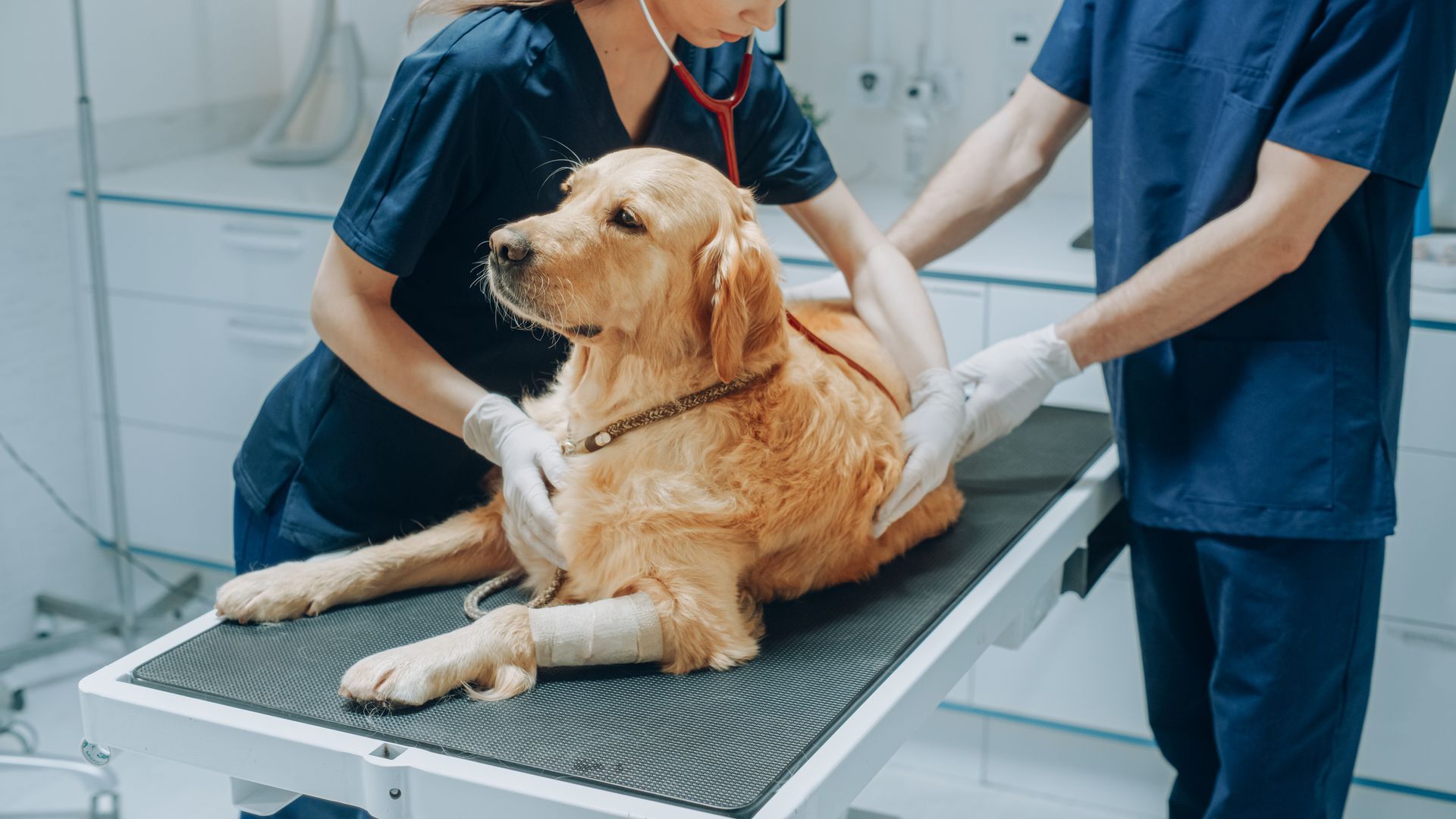
Safety is paramount during animal dental treatment. Veterinary teams use state-of-the-art equipment and adhere to strict safety protocols to minimize risks associated with anesthesia and dental work. Modern ultrasonic scalers and dental polishers improve cleaning efficiency while reducing procedure time. Additionally, careful monitoring during anesthesia, including use of pulse oximetry, blood pressure measurement, and temperature control, helps provide a safe environment for your pet.
Veterinarians in Greeneville stay current on the best dental practices, applying their expertise to tailor treatments based on each pet’s unique needs. This combination of technology and professional care optimizes outcomes and supports overall pet health.
Advanced Animal Dental Treatments
While routine cleanings are crucial, some pets may require more advanced animal dental treatment. If issues such as severe periodontal disease, fractured teeth, or oral infections arise, veterinary dentists at Appalachian Animal Hospital may recommend further procedures.
Dental X-Rays and Diagnostics
Dental radiography (X-rays) is an essential diagnostic tool to assess tooth roots and bone structure beneath the gumline. It enables early detection of problems that are not visible during a routine oral exam.
Tooth Extractions
In cases where teeth are damaged beyond repair or infected, extraction may be necessary to alleviate pain and prevent further health complications. Extractions require skilled veterinary surgeons trained in animal dental procedures to ensure safe removal and promote healing.
Periodontal Therapy
For pets with advanced gum disease, periodontal treatment may include specialized cleaning beneath the gums, antibiotic therapy, and follow-up care to restore gum health and preserve remaining teeth.
What to Expect After Animal Dental Treatment
Once your pet’s dental treatment concludes, your veterinary team will provide post-procedure care instructions tailored to your pet’s needs. This may involve dietary recommendations, pain management protocols, and tips for at-home dental hygiene.
Regular follow-up appointments help monitor your pet’s recovery and maintain oral health long-term. Veterinarians often advise scheduling routine dental cleanings annually or more frequently, depending on your pet’s risk factors.
Take the Next Step in Your Pet’s Dental Care
If you’re looking for trusted animal dental treatment, Appalachian Animal Hospital offers compassionate, expert veterinary dental services that prioritize your pet’s comfort and safety. From routine dental cleanings to advanced periodontal therapy, their team is equipped to support your pet’s oral health journey. Don’t wait until dental disease causes discomfort;
call to schedule your pet’s dental evaluation today and give them the gift of a healthy smile.